

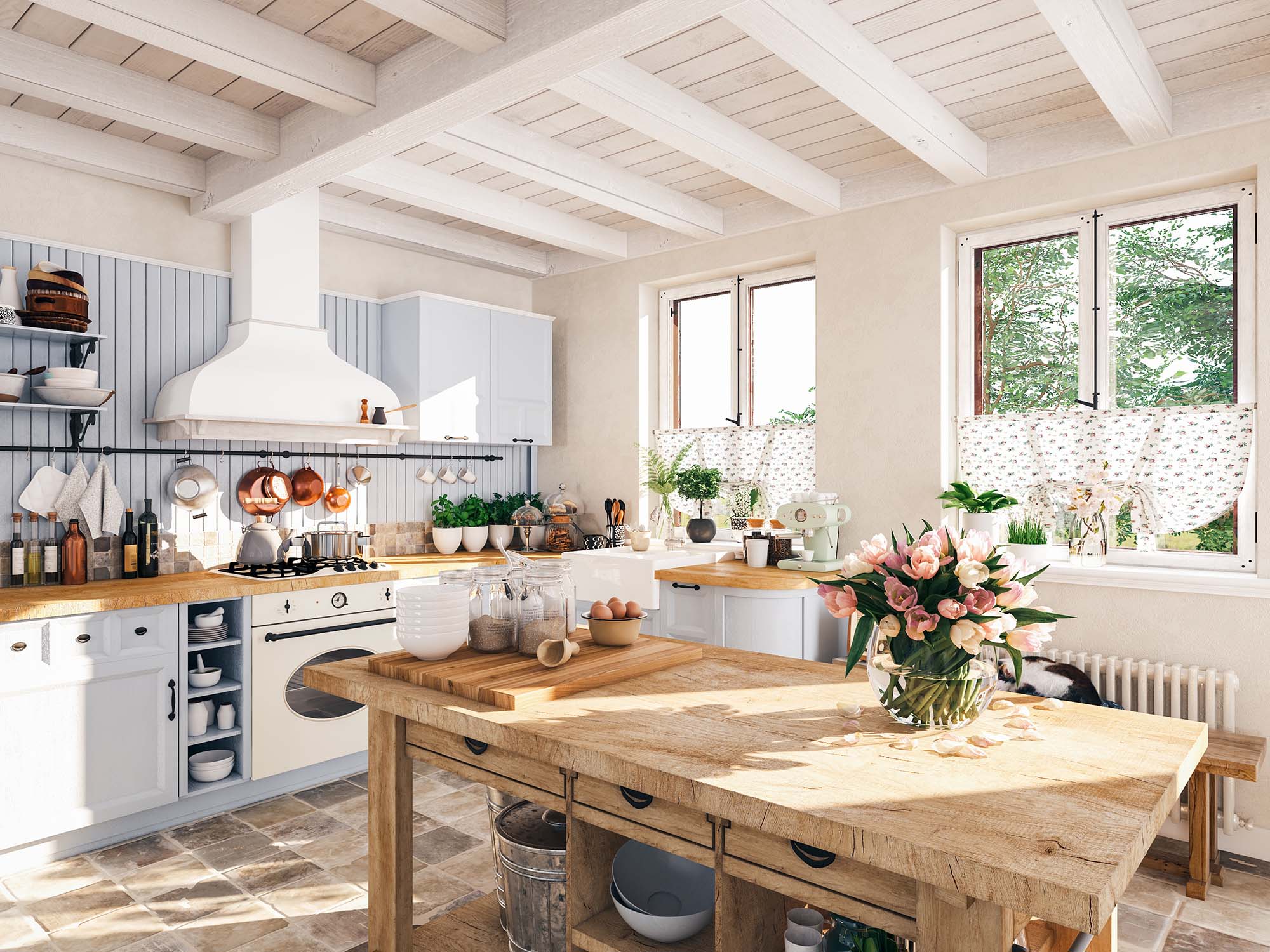
Stepping into your kitchen on a January morning in Calgary usually comes with a sharp wake-up call if you have traditional stone or porcelain floor tiles. The natural look of slate, marble, or travertine creates a stunning backdrop for modern kitchens, but standard tile holds onto the cold Alberta winter air.
You do not have to settle for icy floors just to get the elegant look of natural stone. Modern luxury vinyl tile (LVT) replicates the exact texture, veining, and depth of real stone while offering a much warmer, more forgiving surface underfoot.
A clear look at how these two materials handle daily life in Southern Alberta helps you make the best choice for your kitchen renovation. Both options bring distinct advantages to your home, but your comfort during our long winter months often comes down to what lies beneath your feet.
Real Tile Delivers Timeless Beauty with a Frigid Morning Walk
Porcelain and ceramic tiles have long served as the classic standard for kitchen flooring. They offer exceptional durability, resisting deep scratches from dog claws and heavy foot traffic. The surface remains completely waterproof, making it easy to wipe up spilled liquids, dropped ingredients, or melting snow tracked in from the garage.
The primary drawback of real stone or porcelain in Calgary homes is thermal conductivity. Tile absorbs and retains the ambient temperature of your house. Because many Calgary homes feature unheated concrete subfloors or crawlspaces beneath the main floor, real tile stays cold for most of the year. Walking across a porcelain kitchen floor without thick socks or slippers in December can feel downright uncomfortable.
Installing electric radiant heating coils beneath real tile fixes the temperature issue, but that addition increases your installation budget and raises your monthly energy bill. Real tile also creates a completely unyielding surface.
Standing at the counter to cook a weekend meal or wash dishes puts direct pressure on your lower back, knees, and ankles. If you drop a glass mug or ceramic plate on a porcelain floor, it will almost certainly shatter into tiny pieces.
Luxury Vinyl Tile Provides Stone Style with Comfort Underfoot
Luxury vinyl tile uses advanced high-definition printing and surface texturing to copy natural stone materials down to the smallest detail. You can choose realistic slate textures, soft limestone patterns, or dramatic marble veining without any of the structural headaches of heavy stone slabs.
Built-in warmth: LVT contains composite layers and resilient backings that insulate against subfloor chill. It sits much closer to room temperature, so walking barefoot in the morning feels comfortable.
Slight flex for joint relief: The semi-rigid construction gives LVT a slight cushion. This small amount of give reduces fatigue on your joints when you spend long hours preparing food or entertaining guests in the kitchen.
High impact resistance: Dropped pots, heavy cans, or hard kitchen tools rarely crack an LVT plank. The wear layer absorbs the impact without chipping or spiderwebbing like traditional ceramic tile.
Kitchen Durability, Drops, and Calgary's Climate
Our local climate brings specific challenges to residential subfloors. Between rapid Chinook temperature swings and extreme winter dryness, your home expands and contracts throughout the year.
Subfloor Movement and Temperature Shifts
Traditional ceramic and natural stone tiles need a completely rigid subfloor to prevent damage. When temperature swings cause minor shifts in your home's foundation or wooden subfloor, rigid tile can develop hairline cracks, and cementitious grout lines can crumble over time. LVT uses a click-lock installation or flexible glue-down system that tolerates subtle subfloor movement. You avoid the maintenance hassle of scraping out cracked grout lines or replacing broken tiles every few years.
Mess, Slush, and Easy Cleaning
Kitchen floors take a beating from daily food spills, muddy boots, and wet pet paws. LVT features a completely waterproof core that seals out moisture, preventing water from seeping down to your subfloor. Sweep and an occasional damp mop with a pH-neutral floor cleaner. You never need to seal grout lines against food stains or harsh road salt tracked in during the winter.
How to Choose the Right Floor for Your Calgary Kitchen
Deciding between real tile vs. LVT comes down to how you balance traditional permanence with everyday physical comfort. Real porcelain tile offers a permanent, highly rigid surface that works well if you plan to install in-floor radiant heating. LVT gives you the exact aesthetic appeal of real stone at a lower total project cost, with built-in warmth and impact absorption that makes daily life in the kitchen far more comfortable.
If you want to feel the surface texture and test the underfoot warmth of these materials for yourself, drop by either of our two showroom locations in Calgary. Our flooring experts can help you compare sample boards under realistic lighting and walk you through the best underlayment options for your home. Visit Flooring Superstores Calgary today or contact our team to schedule your free home measure.


